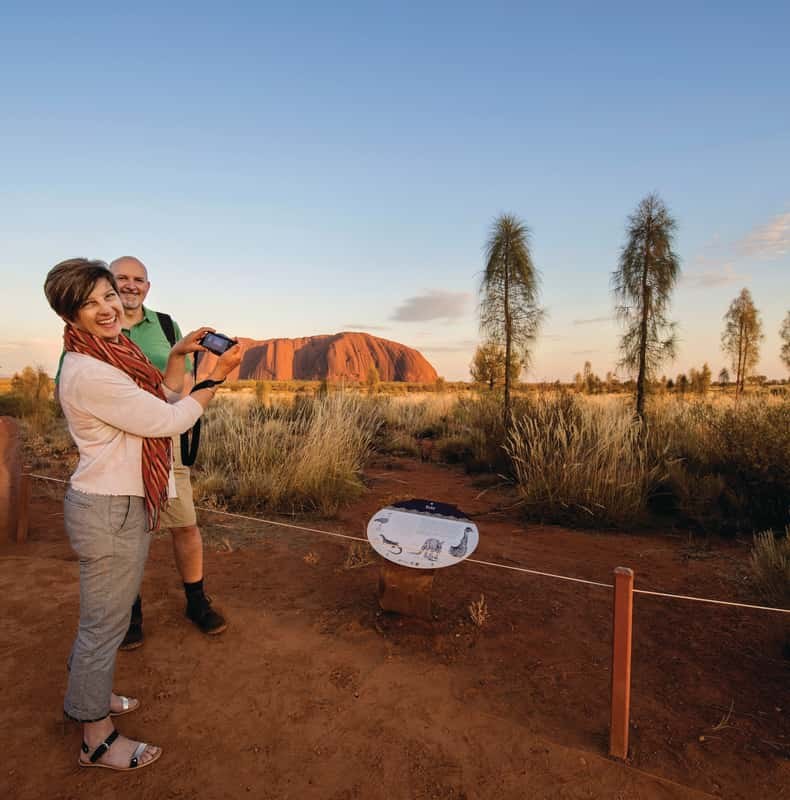
Yulara: Uluru Sunrise and Kata Tjuta Day Trip by Bus
Hot drink includedPickup included
From $150 per person
Three things, and each has a number behind it. The gates open earlier — 5:00 am from October to February against 6:30 am in June. The long walk closes back to Karu Lookout from eleven whenever the forecast reaches 36 °C. And the flies arrive, which the park itself raises before anybody else does.
What does not change is Walpa Gorge, which stays open, or the domes themselves, which after a summer storm are worth more than they are in July.
| Month | Avg max | Rainfall | Park open | Long walk closes at 11? |
|---|---|---|---|---|
| October | 32.5 °C | 22.8 mm | 5:00 am – 8:00 pm | Some days |
| November | 35.0 °C | 34.2 mm | 5:00 am – 8:30 pm | Some days |
| December | 36.4 °C | 46.5 mm | 5:00 am – 9:00 pm | Most days |
| January | 38.4 °C | 29.7 mm | 5:00 am – 9:00 pm | Most days |
| February | 37.0 °C | 40.8 mm | 5:00 am – 9:00 pm | Most days |
| March | 34.5 °C | 28.6 mm | 5:30 am – 8:30 pm | Most days |
Bureau of Meteorology 1991–2020 averages for Yulara Aero, the airport station six kilometres from the resort. The closure column is a judgement from those averages against the 36 °C threshold rather than a published schedule, so treat it as what to expect rather than what is guaranteed.
What closes is the section past Karu, not the whole track. You can still walk the 2.2 km out and back to the first lookout, which is about an hour and includes the climb over loose stone that is the hardest part of the route anyway.
No, and the operators run every month. January averages 38.4 °C by day, which sounds unmanageable and is not, because nothing about a well-planned summer visit happens between eleven and four. The park opening at 5:00 am is doing exactly the work you need it to.
The honest caveat: if walking the full 7.4 km circuit is the entire reason you are coming, do not come in January. Come in April, May or September instead, when the park is open all day and nothing closes.
Parks Australia recommends a head net and says they can be bought on arrival. That is the entire solution and it costs a few dollars. Repellent does very little against the small bush flies that turn up here from spring onward.
A reviewer on one of the camping itineraries raises it unprompted, writing that fly nets were not mentioned in the pre-trip information and should have been. Buy one at Yulara before you go anywhere.
December is the wettest month on average at 46.5 mm and February is close behind. The rain arrives as short, dramatic storms rather than as steady drizzle, and it fills the seasonal stream on the floor of Walpa Gorge.
A wet Kata Tjuta is worth timing a walk around rather than away from. The rock darkens, the gorge runs, and the colour after a storm is the thing photographers come back for.
The ones that leave in the dark or return after it. The sunrise day trip is walking the gorge by mid-morning and back at the resort by noon. The Field of Light sunrise is a two-hour morning that finishes before the day gets going. The astronomy night is the inverse: it starts when the temperature has dropped.
The three-hour afternoon tour sits on the far side of the window rather than inside it, which is why it is a summer product rather than a compromise. Kata Tjuta sunrise tours set out which hour each departure runs.
Up at four, collected in the dark, and through the gates as they open at five. Sunrise somewhere between half past five and six depending on the month, then the drive west with the temperature still in the twenties.
On the track by half past seven, off it by half past nine, and back at Yulara before the day gets serious. Lunch indoors, an afternoon that involves a pool or the Cultural Centre, and then either a sunset viewing area at seven or the astronomy departure once the light has gone entirely. That is a full day and none of it is spent being hot.
Three things, and they are not consolation prizes. The park is open until nine in the evening from November to February, which is two and a half hours later than in June, so the useable end of the day is much longer.
The storms are the second. They arrive fast, they fill the seasonal stream in the gorge, and the light behind a summer thunderhead over the domes is not available in July. The third is simply that fewer people come, so the track that has a queue at its narrowest point in August is empty in February.
Summer rain here does not arrive as drizzle. It comes as short, violent thunderstorms, mostly between November and March, and December averages 46.5 mm across the month in a handful of them.
Two things follow. The seasonal stream on the floor of Walpa Gorge runs, which is the one time of year the gorge is green rather than dry. And the light behind a thunderhead over the domes is not something July offers at any price. If a storm is forecast for your afternoon, move the walk rather than cancelling it.
Most people should, and the park says so: May to September is when the daytime maximum usually sits between 20 and 30 °C. Nothing closes, both walks are open all day, and August and September are the two best months for wildflowers.
The trade-offs are real, though. July mornings average 4.5 °C and the gates do not open until 6:30 am, which pushes every sunrise departure later. It is also peak season, so the small-group departures fill first. Summer, planned properly, gets you the same place with fewer people in it.
Three litres a person on a walking day, and it is not a padded figure. There is drinking water at the two trailheads and nowhere at all to buy any within forty-five minutes, so what you carry is what you have.
Electrolytes matter more than most people expect at 38 degrees, and they are worth buying at the resort rather than improvising. A guided departure will carry water on the vehicle, which is one of the quieter arguments for taking one in February.
Book a pre-dawn departure for the day you want the domes, walk Walpa Gorge by mid-morning, and be back at the resort by noon. Spend the afternoon indoors. Take the astronomy night on your second evening, when the heat has gone and the sky is the best thing on offer.
That is a genuinely good two days in February, and it costs the same as it does in July with fewer people on the track. Kata Tjuta Tours lists every departure with the hour it runs.
From $150 per person
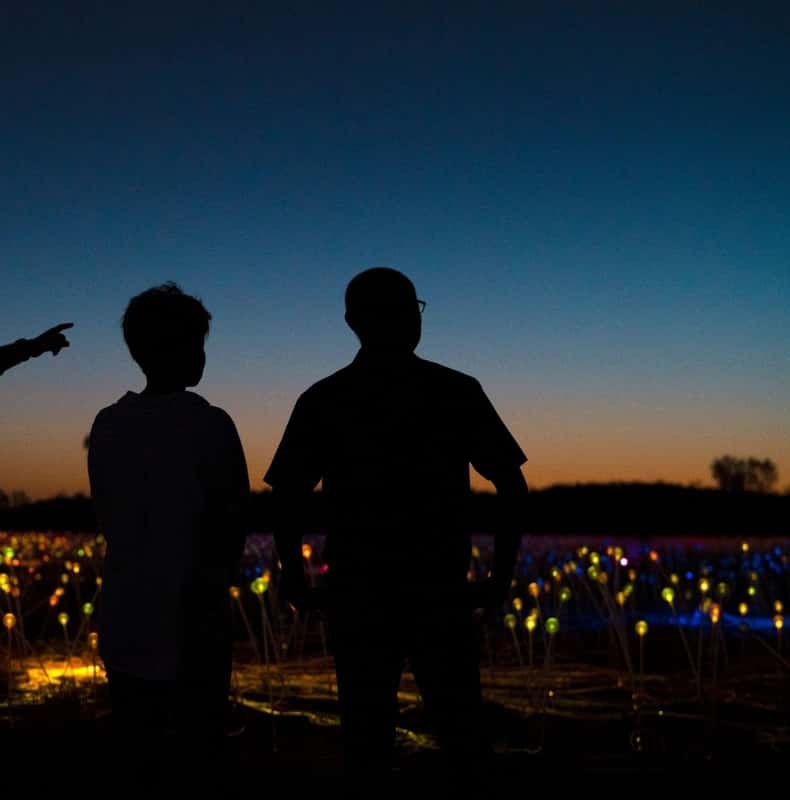
From $97 per person
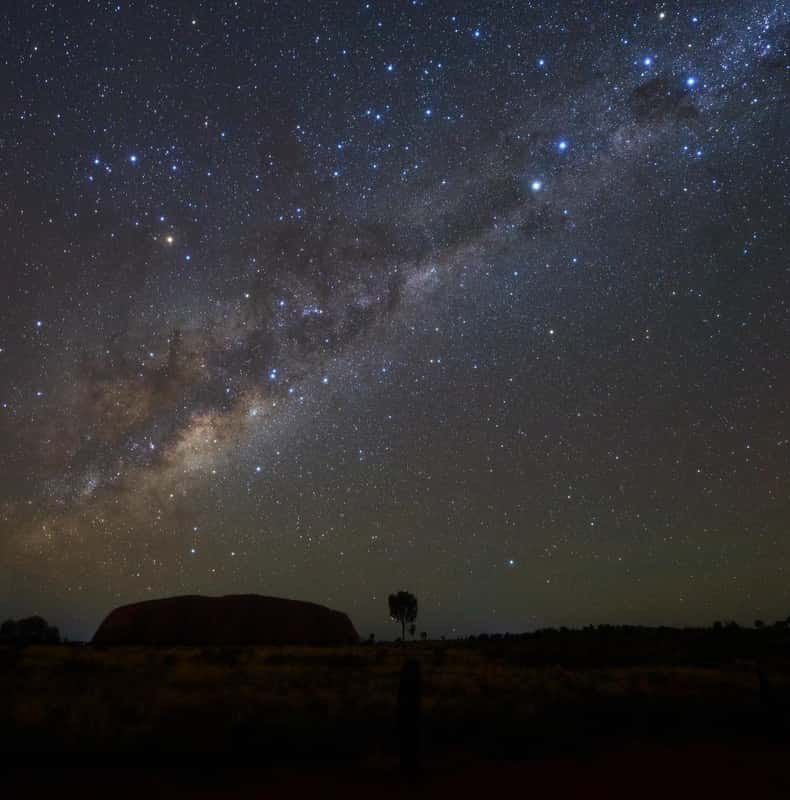
From $92 per person