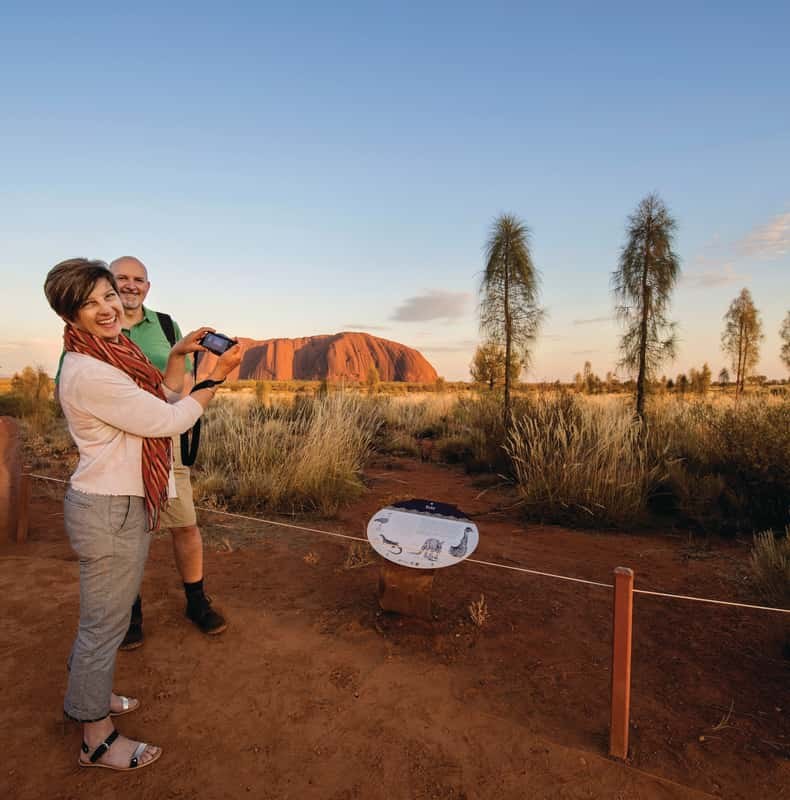
Yulara: Uluru Sunrise and Kata Tjuta Day Trip by Bus
Hot drink includedPickup included
From $150 per person
One day gets you one formation properly. Three days starts to add Kings Canyon, which is 300 km away in a different national park. Two days is the shape that fits what is here: Uluru on one end, Kata Tjuta on the other, and a pass that runs three consecutive days anyway.
It is also the shape the operators build for. Almost everything here is either a half-day or a multi-day, and the half-days are timed so two of them fit around one another without colliding.
Uluru is about twenty minutes from Yulara. Kata Tjuta is about forty-five. That gap is the single most common planning mistake here, and it is why the domes cannot be an afternoon stop on a day that already has something else in it.
A round trip west is ninety minutes of driving before you have walked anywhere. Build the second day around it and the plan works. Treat it as a detour and you arrive at the gorge with forty minutes and a queue of coaches leaving.
| Day one | Day two | |
|---|---|---|
| Where | Uluru side of the park | Kata Tjuta, 45 minutes west |
| The hour that matters | Sunset, from a viewing area | Sunrise, then the drive west |
| Driving | About 40 minutes in total | About 90 minutes in total |
| On foot | Nothing compulsory | Walpa Gorge, 2.6 km, about an hour |
| Also fits | The Cultural Centre, before it shuts at 5:45 pm | An afternoon off, and a sunset at the domes if you have a car |
| Guided option | An Uluru sunset departure | The five-hour sunrise day trip |
| What it costs | From about $97 a person | $151 a person, plus the park pass |
You can, and the sunrise day trip does exactly that in five hours. What you lose is the sunset, which is the other half of what people come for, and any margin for the weather. If a cloud sits on the horizon at 6:20 am on your only morning, that is the trip.
Two days buys you a second chance at the light and an afternoon at the domes rather than a stop. If you genuinely only have one, take the sunrise day trip and accept that Kata Tjuta will be a two-hour visit.
Uluru first, Kata Tjuta second, for a reason that is not obvious. The domes are the harder half to reach and the easier half to underestimate. Putting them on the second morning means you already know how the park works: where the gates are, how long the driving takes, how cold a pre-dawn start really is.
It also puts the Cultural Centre before both, which is the right order. An hour there first makes the rest legible in a way that visiting it on the way home does not.
There is no two-day pass. The standard adult pass is A$38 and runs three consecutive days, with under-18s free. A two-night stay uses two of the three and leaves one spare. If you are staying longer, the A$50 annual pass costs barely more.
Four of the multi-day itineraries fold the pass into their fare. Both half-day departures exclude it. That difference is worth checking before you compare two prices, and the cost guide tabulates all of it.
Entirely doable, and it is how most visitors travel. Day one is the Cultural Centre and an Uluru sunset departure. Day two is the sunrise day trip, which covers both formations and the gorge and has you back by lunchtime. Add the Field of Light sunrise or the astronomy night if you have the evening.
What you give up is the second sunset at the domes and the option of the long walk. Tours of Uluru and Kata Tjuta set out which departures collect from which points around the resort, and Kata Tjuta Tours has all of them together.
Awkwardly, if you are not careful, and beautifully if you are. It is a two-hour pre-dawn morning at an installation on the resort side of the park boundary, and it uses the same sunrise slot as the day trip that goes to the domes. You cannot do both on the same morning.
With two nights, the answer is to put it on the morning you are not going west. Its own itinerary lists Kata Tjuta as a scenic view from the dune top, which is a genuine first sight of the formation before you visit it properly the next day.
Two half-day departures at $133 and $151 come to $284 a person, plus the A$38 park pass once. Add a hire car for the second sunset and you are at roughly $450 for two people including fuel, for a plan that covers both formations, both ends of the day and the gorge.
Doing it entirely by hire car is cheaper for two or more and gets you the long walk as well; doing it entirely by guided departure removes the driving and the parking and the question of whether there is a car left. The cost guide works through every band.
This is the argument for spreading the plan across two mornings rather than packing it into one. Cloud on a single sunrise takes the whole thing; cloud on the first of two leaves you a second attempt.
It also matters that the two halves fail differently. A grey morning at Uluru is a disappointment because the colour is the point. A grey morning at Kata Tjuta barely registers, because the walk into Walpa Gorge is about the walls rather than the light — and after rain the seasonal stream runs. Put the domes on the day with the worse forecast.
Spend it on the Valley of the Winds rather than on Kings Canyon. The canyon is excellent and it is 300 km away, which makes it a whole day of driving. The 7.4 km circuit behind the domes is forty-five minutes from your hotel, and it is the walk almost nobody makes time for.
If you would rather have the canyon, the multi-day itineraries do it properly rather than as a day trip — and four of them fold the park pass in as well.
From $150 per person
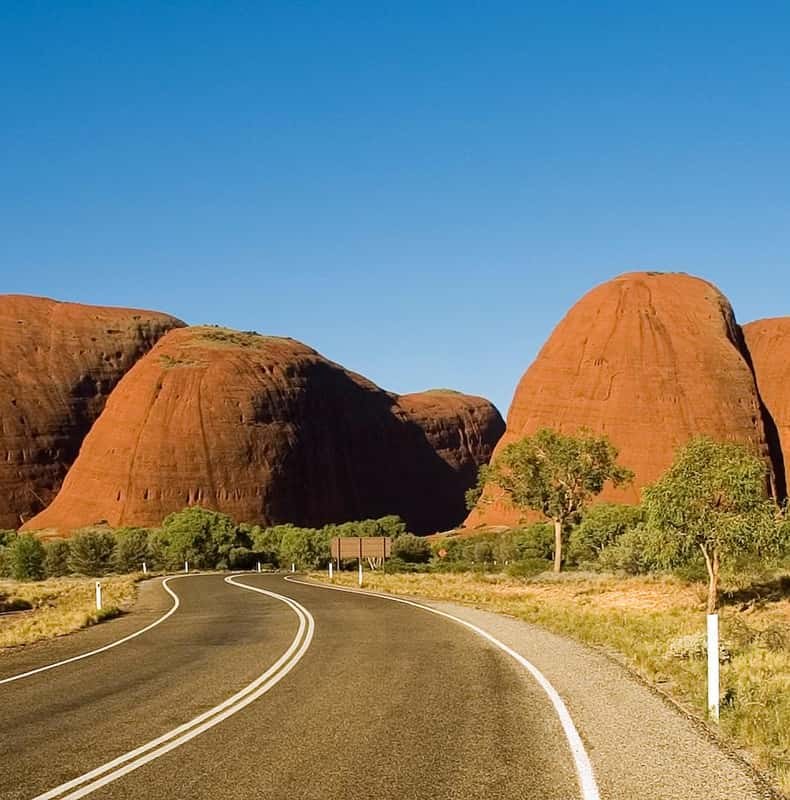
From $133 per person
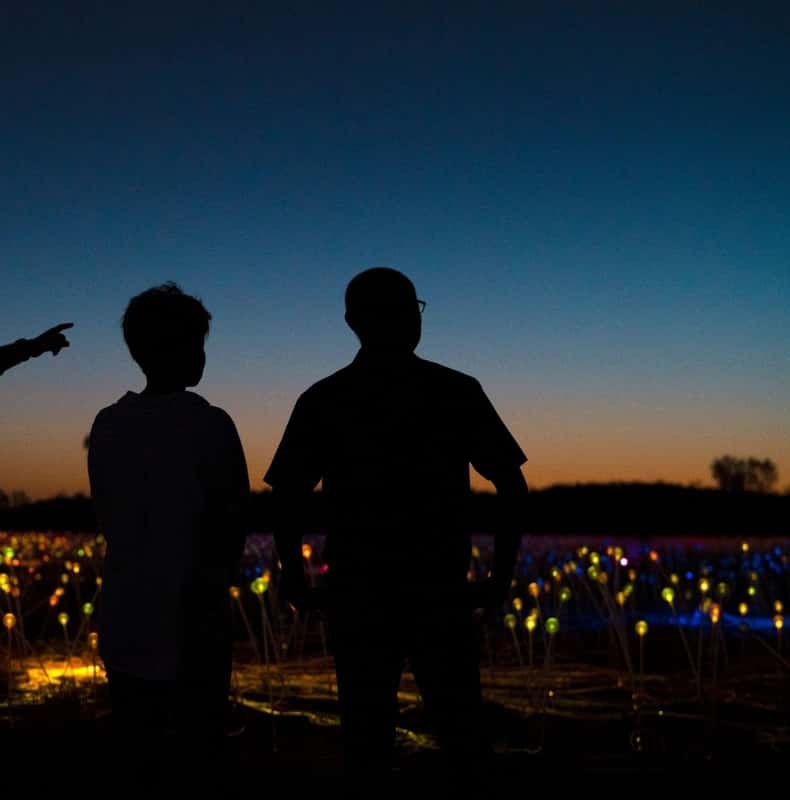
From $97 per person